
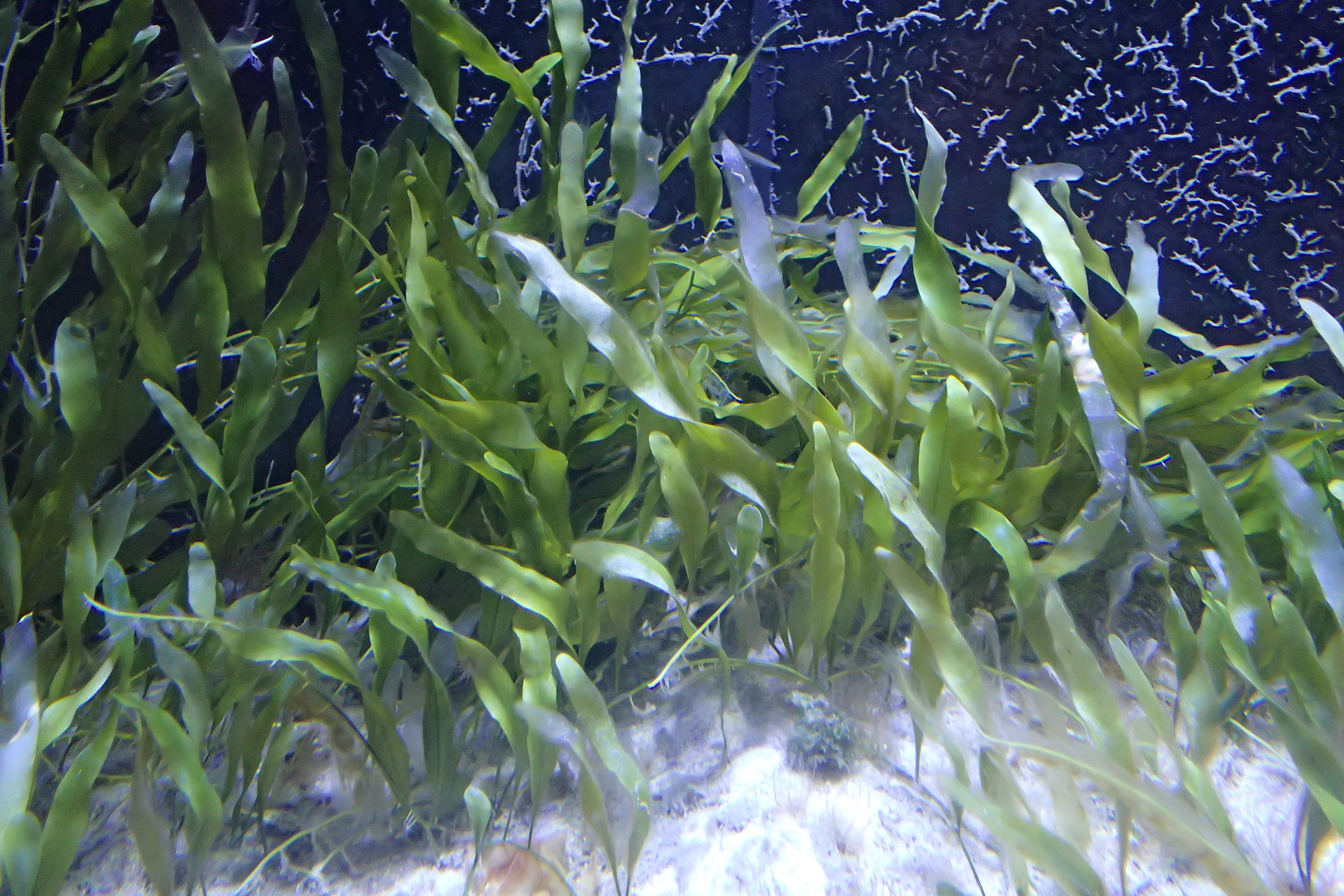
Caulerpa in Newport Bay
An established patch of Caulerpa prolifera was identified in the China Cove area of Newport Bay in early 2021 by OC Coastkeeper divers, the first time this species has been identified in the waters of California. The Caulerpa genus is popular in the aquarium trade due to its hardy nature and fast growth rate, and was likely introduced to Newport Bay via improperly dumped aquarium water.
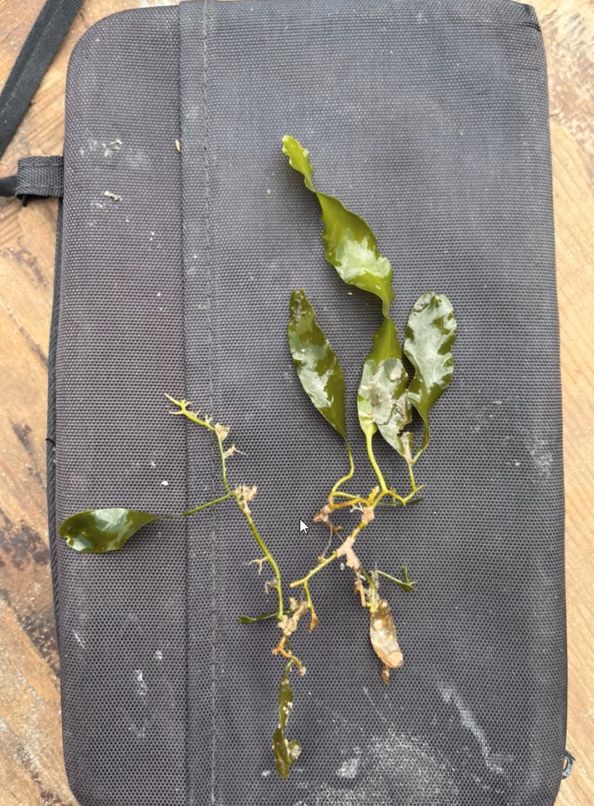
After the infestation was identified, removal efforts began quickly, but portions of the patch became fragmented and buried under the sand, making it more difficult than expected to remove completely. Orange County Coastkeeper partnered with the Southern California Caulerpa Action Team (SCCAT) to conduct surveys, educate the public, and assist in eradication efforts. Coastkeeper’s primary role in SCCAT is to educate the public, decision-makers, and local aquarium dealers on the continued threat of the current Caulerpa prolifera invasion and statewide ban of Caulerpa sales.
About Caulerpa prolifera
Caulerpa prolifera is a fast-growing species of algae commonly sold in aquarium stores. It is native to the warm, tropical waters of Florida and the Caribbean. C. prolifera is a particularly hardy strain, able to tolerate depths most other macroalgae cannot. In California, it is considered invasive as it can choke out native species of plants and seaweed, and is inedible to most native fish.
The Caulerpa genus has been shown to rapidly outcompete native plants in areas where it is introduced, displacing wildlife and altering the ecosystem around it. A single blade can sprout a whole new plant, making it hard to remove without constant monitoring. It also contains toxins that repel most fish outside its native range. A close cousin of C. prolifera, Caulerpa taxifolia, was discovered in California in 2000 and took almost 7 years to eradicate. In that time, it did serious damage to native eelgrass habitats. While they have since recovered, this new species of Caulerpa is poised to do the same if it is not swiftly eradicated.
In 2023, Coastkeeper partnered with Assemblywoman Cottie Petrie-Norris to successfully ban the entire genus Caluerpa in California, except for bona fide scientific research, effective January 1, 2024. Read Coastkeeper’s press release about this success here.
How You Can Help Eradicate Caulerpa
For additional information, visit the Caulerpa prolifera page on the California Department of Fish and Wildlife website.